 Skip to content
 ![Urmston roofing logo [city]](https://urmstonroofing.co.uk/wp-content/uploads/2023/03/Urmston-Roofing-Logo-1024x210.png)
![Urmston roofing logo white [city]](https://urmstonroofing.co.uk/wp-content/uploads/2023/03/Urmston-Roofing-Logo-White-1024x210.png)
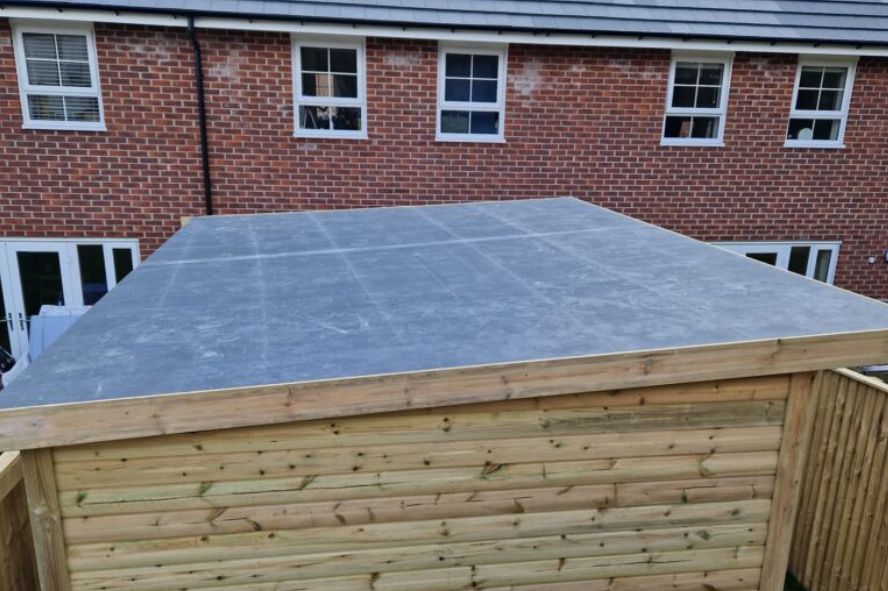
Is your garden shed looking a little worse for wear? Water spots on the ceiling, damp tools, or a musty smell are clear signs you have a roofing problem. A solid shed roof covering is your first line of defense against harsh weather, protecting your valuable lawnmowers, bicycles, and seasonal decorations.
When your shed roof starts failing, you need to act fast to prevent structural damage. But with so many materials and methods available, figuring out the right approach can feel overwhelming. You might be wondering about the costs, the labor involved, or simply what materials will last the longest.
This comprehensive guide will walk you through everything you need to know about replacing or installing a new roof on your outbuilding. From exploring the best materials for your budget to understanding the installation process, we have you covered. Let us help you transform that leaky shed into a secure, weather-tight storage space.
Exploring Your Shed Roof Options
Choosing the right material is the most critical decision you will make for your shed. Your choice impacts the total cost, the lifespan of the roof, and the overall look of your backyard. Here are the most popular shed roof options available today.
Asphalt Shingles
Asphalt shingles are incredibly popular for a reason. They are affordable, easy to find, and simple to install. In the UK, you can expect to pay between £8 and £16 per square metre for the materials. They provide a classic look that often matches the roof of your main house. However, they have a shorter lifespan compared to premium materials and can be vulnerable to high winds.
EPDM Rubber Roofing
If you have a flat or low-sloping shed roof, EPDM rubber is a standout choice. This synthetic rubber membrane comes in large sheets, meaning you will have fewer seams where leaks can start. In the UK, EPDM typically costs between £35 and £55 per square metre. EPDM is highly resistant to UV rays and extreme weather, often lasting well over 20 years.
Metal Roofing
Metal sheets, whether steel or aluminum, offer incredible durability. In the UK, metal roofing typically costs between £20 and £60 per square metre, with the upfront cost higher than some alternatives, but the investment pays off in superior longevity and low maintenance. Metal sheds snow and rain effortlessly and can last a lifetime. Keep in mind that heavy rain can be noisy on a metal roof, which might be a factor if you use your shed as a quiet workspace.
Traditional Roofing Felt
For a quick and budget-friendly fix, traditional roofing felt is a common go-to material. In the UK, felt typically costs between £6 and £12 per square metre and is widely available at local hardware stores. The major downside is durability. Felt can turn brittle in the sun or tear during severe storms, usually requiring replacement every five to ten years.
Understanding the Costs of a Shed Roof Covering
Budgeting for a new shed roof requires looking beyond just the price of the shingles or rubber. In the UK, material costs generally range from £6–£60 per square metre depending on what you choose: roofing felt (£6–£12/m²), asphalt shingles (£8–£16/m²), EPDM rubber (£35–£55/m²), and metal sheets (£20–£60/m²).
Labour costs for professional installation typically range from £150–£250 per day, or around £20–£40 per hour, though this can vary by region and the complexity of the work. Be sure to account for additional essentials such as underlayment (around £2–£8/m²), flashing, roofing nails, and waste disposal (which may add £50–£150). A small shed (about 6×4 feet) may cost in total from £200–£500 to re-roof, while a larger shed (10×12 feet or more) can range from £600 to over £1,500, depending on materials and labour.
At Urmston Roofing, we always recommend getting a detailed, written estimate that covers materials, labour, and all additional costs so you can plan and budget with total confidence.
What is the Best Covering for a Shed Roof?
Homeowners constantly ask us: what is the best covering for a shed roof? The truth is, the “best” option depends entirely on your specific needs, budget, and roof shape.
For maximum longevity on a pitched roof, metal is incredibly hard to beat. It withstands heavy impacts, resists fire, and requires very little upkeep. If you want a balance of affordability and visual appeal, asphalt shingles remain the top contender. They offer decent protection and look fantastic in any neighborhood.
If your shed has a flat roof, the answer is simple. EPDM rubber is the ultimate choice for flat surfaces. Because water pools easily on flat roofs, you need a seamless barrier. EPDM provides a watertight seal that traditional shingles simply cannot match. If you are ever unsure about the right fit for your property, consulting with the experts at Urmston Roofing can point you in the right direction.
A Basic Shed Roof Installation Guide
While hiring a professional guarantees a perfect finish, many handy homeowners choose to tackle this project themselves. If you have the right tools and basic carpentry skills, replacing a shed roof covering is a manageable weekend project.
Step 1: Preparation and Inspection
Start by removing the old roofing materials completely. Once the roof deck is bare, inspect the underlying wooden boards for any signs of rot or water damage. Replace any compromised wood to ensure your new roof has a solid foundation.
Step 2: Laying the Underlayment
Never skip the underlayment. This crucial layer sits between the wood deck and your final roof covering, providing an extra barrier against moisture. Roll out a high-quality weather-resistant underlayment, starting from the bottom edge and working your way up to the peak.
Step 3: Installing the Shed Roof Covering
The installation method depends heavily on your chosen material. For asphalt shingles, start at the bottom edge and overlap each row as you move upward, securing them with roofing nails. For EPDM rubber, apply the appropriate contact adhesive and carefully roll the membrane flat, sweeping out any air bubbles as you go.
Step 4: Finishing Touches
Seal all the edges and install metal flashing around the perimeter to direct water away from the shed walls. Finally, add a ridge cap if you have a pitched roof. Give the entire structure a thorough visual inspection to ensure everything is locked down tight.
Essential Maintenance Tips for Shed Roofs
Once your new roof is installed, a little upkeep goes a long way. Following a few simple maintenance tips for shed roofs will significantly extend the life of your investment.
First, keep the roof clear of debris. Sweep away fallen leaves, pine needles, and branches regularly. Wet leaves can trap moisture against the roof surface, accelerating rot and decay.
Second, trim back any overhanging tree branches. Not only do branches drop debris, but they can also scrape against the roofing material during high winds, causing severe damage.
Finally, conduct a visual inspection twice a year. Look for missing shingles, cracked felt, or pooling water. Catching a small problem early prevents it from turning into a massive, expensive leak. We regularly remind our clients at Urmston Roofing that proactive maintenance is always cheaper than reactive repairs.
Ready to Upgrade Your Shed?
Your shed is a valuable extension of your home. Protecting it with a high-quality shed roof covering ensures your tools and equipment stay safe and dry through every season. Whether you decide to take on the project yourself or want the peace of mind that comes with professional installation, taking action now will save you headaches later.
If you want a flawless, weather-tight finish without the hassle of climbing ladders, reach out to the professionals. The team at Urmston Roofing is ready to help you select the perfect materials and deliver an installation that will last for decades. Protect your outdoor space today.
Frequently Asked Questions
What is the best roof covering for a shed?
The best covering depends on your roof’s pitch and your budget. For a sloped roof, metal roofing offers incredible durability, while asphalt shingles offer great value and aesthetics. For a flat or low-slope shed, an EPDM rubber membrane is the absolute best choice because it provides a seamless, waterproof barrier.
How long does a shed roof covering last?
Lifespans vary wildly based on the material. Traditional roofing felt usually lasts between 5 and 10 years. Asphalt shingles can protect your shed for 15 to 20 years. Premium materials like EPDM rubber or metal sheets can easily last 20 to 30 years or more with proper maintenance.
What is the cheapest way to cover a shed roof?
The most budget-friendly option upfront is traditional roofing felt (roll roofing). It is very inexpensive and easy to install yourself. However, because it has a short lifespan and requires frequent replacement, slightly more expensive materials like asphalt shingles often provide better long-term financial value.
How do I waterproof a shed roof?
To properly waterproof a shed roof, you must start with a solid, rot-free wooden deck. Next, install a high-quality, water-resistant underlayment over the wood. Finally, apply your chosen top material carefully, ensuring all seams overlap correctly. Adding proper metal flashing around the edges will keep water from seeping under the materials.
Can I replace a shed roof covering myself?
Yes, replacing a shed roof is a very popular DIY project. If you have basic carpentry skills, standard tools, and proper safety equipment, you can comfortably tackle small to medium-sized sheds. However, if the roof has a very steep pitch, severe structural damage, or if you simply do not want to risk a leak, hiring a professional roofer is the safest choice.
